
If you’ve ever walked into an Indian restaurant buffet, you already know it’s not just a meal—it’s an adventure. Aromas of curry, tandoori smoke, and freshly baked naan pull you in. The colors, the variety, the flavors—everything feels like a celebration. The moment you step in, your senses come alive with the promise of authentic spices and heartwarming comfort food.
What Is an Indian Restaurant Buffet?
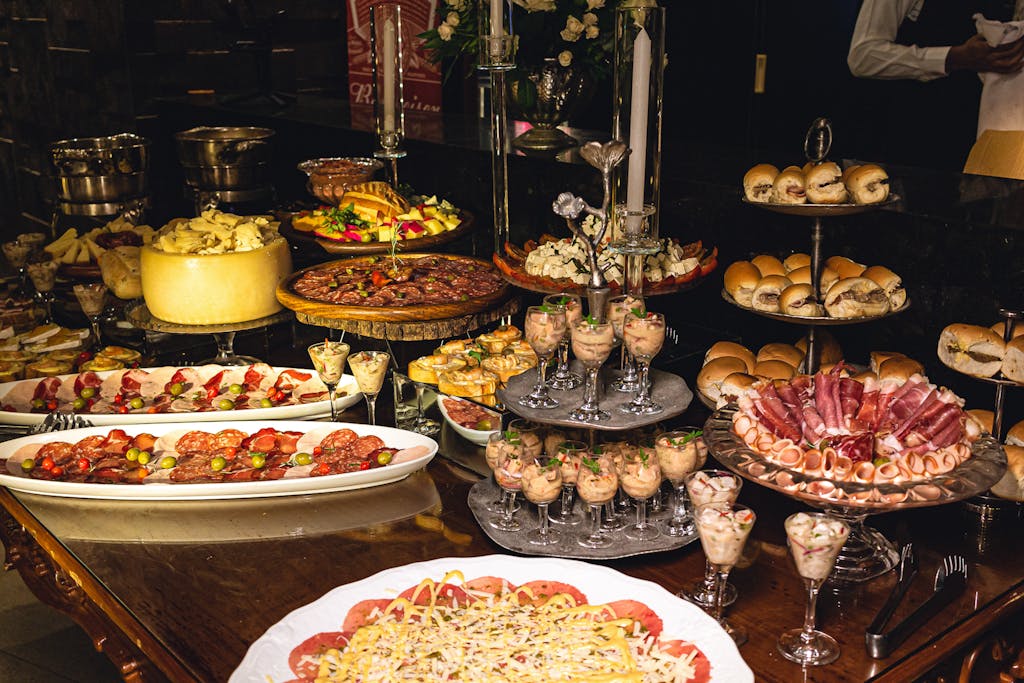
An Indian restaurant buffet is basically a food lover’s playground. Instead of ordering one dish from the menu, you get to sample a range of Indian delicacies—both vegetarian and non-vegetarian—picture rows of steaming curries, sizzling kebabs, aromatic rice, and sweet desserts waiting for you. You take a plate, stroll down the line, and try a little of everything. It’s the perfect way to taste the diversity of India’s cuisine in a single sitting.
Order Online
Why Buffets Are So Popular
Buffets have their own charm. First, they offer variety—you don’t have to commit to one dish. Want butter chicken and dal makhani on the same plate? Go for it! Second, buffets are budget-friendly. You pay one price and eat to your heart’s content. Finally, they’re social and relaxed.
Whether it’s a family outing, a work lunch, or a weekend treat, buffets bring people together. Plus, they let you experiment with flavors you might not try otherwise. That sense of freedom and abundance makes every visit feel like a mini food festival.
Types of Dishes You’ll Find
Every Indian restaurant buffet aims to represent the country’s vast culinary diversity. From North Indian creamy gravies to South Indian spicy curries, you’ll find a little bit of everything. It’s like traveling across India one bite at a time, with every region bringing its signature aroma and taste to the table.
Starters and Snacks (Chaat, Samosa, Pakora)
The appetizer section is pure joy. Think crispy samosas filled with potatoes and peas, or pakoras—fritters made from onions, spinach, or cauliflower. If the restaurant serves chaat, you’re in for a treat. Crunchy puris, tangy chutneys, yogurt, and spices combine into an explosion of flavor. It’s the perfect way to wake up your taste buds. These small bites set the tone for what’s to come and prepare you for the feast ahead.
Main Curries (Butter Chicken, Dal, Paneer)
Curries are the heart of any buffet. You’ll often find butter chicken, with its creamy tomato sauce and tender meat. There’s also dal tadka—a comforting lentil dish simmered with garlic and spices. For vegetarians, paneer tikka masala or palak paneer (spinach and cottage cheese) are must-tries. Each curry tells a story.
Some are rich and indulgent; others are light and homely. Together, they showcase India’s love for spice and flavor. Every ladle of curry adds warmth and depth to your plate, offering the true comfort of Indian cuisine.
Tandoori & Grill (Chicken Tikka, Kebabs)
If you love smoky food, don’t miss the tandoor section. Tandoori chicken, malai tikka, and seekh kebabs are roasted in a clay oven for that perfect charred flavor. These dishes balance juicy texture with bold spice. Pair them with mint chutney and you’ll understand why the tandoor is India’s grilling hero. The smoky aroma wafting from the grill alone can make you hungry before you even see your plate.
Rice, Biryani & Bread (Naan, Roti, Pulao)
Now let’s talk carbs—the comforting kind. Buffets usually include basmati rice, pulao, and biryani. Biryani, especially, is the star—layered rice with marinated meat or vegetables, slow-cooked with saffron and herbs. Alongside, you’ll find fresh naan, roti, or paratha.
These breads are perfect for scooping up curry and soaking in every drop of sauce. The combination of fluffy rice and warm bread gives you an ideal balance of texture and flavor in every bite.
Vegetarian & Vegan Options
One of the best things about an Indian buffet is how friendly it is for plant-based eaters. You’ll find mixed vegetable curries, chana masala, baingan bharta, and aloo gobi. Many dishes are naturally vegan or can be easily modified. So even if you avoid meat or dairy, you’ll never run out of options. Indian cuisine proves that vegetarian food can be every bit as exciting and fulfilling as its meaty counterparts.
Desserts and Chilled Sweets
No meal is complete without dessert! Indian sweets are rich, creamy, and unforgettable. Try gulab jamun, those syrupy fried dough balls, or kheer, a sweet rice pudding with cardamom and nuts. Some buffets also serve ras malai, soft cheese patties soaked in sweet milk, or even mango mousse. It’s the perfect finish to a flavorful journey. Each bite of dessert adds a lovely touch that lingers long after your meal ends.
How to Navigate an Indian Buffet
Walking into a buffet for the first time can feel like stepping into a culinary wonderland. The key is to pace yourself, so you can truly appreciate every flavor and texture without getting full too fast.
Tasting Strategy
Start with small portions. Buffets are about tasting, not rushing. Take one spoon of each dish and discover your favorites. Once you’ve explored the flavors, go back for seconds of what you truly loved. That way, you enjoy variety without overeating or wasting food. Treat each visit like an opportunity to explore new tastes and textures that expand your culinary horizons.
Balancing Spices & Heat
If you’re new to Indian food, spice levels can be tricky. Start with milder curries like butter chicken or paneer. Then move toward spicier options like vindaloo or chili chicken. Cool your palate with raita (a yogurt-based side) or a sip of lassi. And if something’s too spicy, don’t worry—Indian food always offers balance. Rice, bread, and yogurt are your best allies. Each bite teaches you how to enjoy spice without fear—it’s all about pairing and pacing.
Tips for First-Timers
If you’ve never been to an Indian buffet, you might feel unsure at first. But trust me—it’s easy once you know the basics. The more you relax and go with the flow, the more fun and flavorful the experience becomes.
Allergies & Dietary Preferences
Many Indian dishes contain nuts, dairy, or gluten. So, if you have allergies, always ask the staff. They’ll happily point out safe choices. Most buffets clearly label vegetarian and non-vegetarian items. Still, when in doubt—ask. It’s better to be safe and enjoy your meal confidently. A quick chat with the staff ensures a worry-free and satisfying dining experience.
Asking the Staff
The staff are your best guides. Don’t hesitate to ask which dishes are popular, fresh, or mild in spice. They can recommend combinations too—like pairing dal with basmati rice or naan with paneer curry. Their tips often make the experience even better. Their friendly insights usually lead you to dishes you might have otherwise overlooked.
Value & Cost: Is It Worth It?
Absolutely. When you consider the variety and quality, Indian restaurant buffets offer great value. Instead of ordering separate items, you pay a single price for a full spread. It’s especially worth it if you’re dining in a group or trying Indian food for the first time. However, value doesn’t just mean eating a lot. It means savoring flavors, appreciating preparation, and finding new favorites. Every visit feels like a reward for both your taste buds and your wallet.
Cultural Notes: Regional Buffets
India’s regional diversity shines in its buffets. Some focus on northern dishes; others explore the coastal or southern cuisines. Here’s what that looks like. The variety ensures that every buffet feels like a different cultural experience each time you visit.
North Indian
Expect rich, buttery gravies, naan, and creamy lentils. Dishes like dal makhani, shahi paneer, and tandoori roti dominate. The flavors are bold but comforting. These dishes reflect the warmth of North Indian hospitality and the love for indulgent, hearty meals.
South Indian
South Indian buffets bring lighter, tangier meals. You’ll see idli, dosa, sambar, and coconut chutney. The spice level is higher, and the use of tamarind and curry leaves adds freshness. It’s a perfect choice for those who crave vibrant and lively flavors with every bite.
Street-Food-Inspired Buffets
Some restaurants add a twist with street food sections—chaat counters, pani puri, and vada pav. It’s playful, colorful, and lets you experience India’s bustling food culture right at your table. These dishes bring the joy of Indian streets into the comfort of your dining space.
Best Drinks to Pair
The right drink enhances the meal. A chilled sweet lassi calms the heat. A salted lassi adds tang. If you want something lighter, go for iced tea or sparkling water with lemon. For dinner buffets, a crisp beer or citrusy mocktail pairs perfectly with spicy food. And after dessert, a cup of masala chai is the best goodbye. The soothing warmth of chai ties the entire meal together beautifully.
Family & Group Dining
Buffets are a family favorite for a reason. Kids can choose familiar foods while adults explore spicier dishes. For large groups, buffets eliminate long waits for individual meals. Everyone eats together, everyone’s happy—it’s a win-win. The laughter, shared plates, and conversations make it a true celebration of food and family.
Sustainability & Waste at Indian Restaurant Buffet
Let’s be honest—buffets can sometimes lead to food waste. Thankfully, many restaurants are becoming eco-conscious. They use smaller plates, compost leftovers, and encourage guests to take smaller portions first. As diners, we can do our part too: take what you can eat, go back for seconds if needed. Respecting the food makes the experience even more meaningful. Conscious dining ensures that the buffet experience remains both enjoyable and responsible.
What to Avoid
Not everything at a buffet deserves equal attention. Avoid items that look overcooked or have been sitting too long. Skip the fillers—like plain rice or bread—on your first round. Save space for the specialties. Also, don’t mix too many flavors on one plate. Let each dish shine on its own. The key is balance—quality over quantity makes the best buffet experience.
Hosting Your Own Indian Restaurant Buffet
Hosting your own Indian buffet is like bringing the warmth and excitement of an Indian restaurant into your home. It’s a fun, flavorful way to treat guests to a variety of dishes and create an unforgettable dining experience.
Menu Planning
Start with a balanced spread: 2–3 curries (mild, medium, spicy), two appetizers (like samosa and paneer tikka), one rice and one biryani, two breads, and one dessert. Creating balance between texture, color, and spice level keeps your guests excited with every bite.
Serving & Presentation
Presentation matters. Use warming trays or chafing dishes to keep food hot. Label each item so guests know what they’re picking. Add condiments—mint chutney, pickles, onions, and raita—for color and freshness. And remember, small plates encourage tasting and reduce waste. The goal is abundance without chaos. A visually inviting setup makes your buffet feel festive and welcoming.
Conclusion to Indian Restaurant Buffet
An Indian restaurant buffet isn’t just a dining option—it’s an experience of color, aroma, and connection. Every spoonful tells a story of spices, tradition, and creativity. Whether you’re trying it for the first time or it’s your weekend ritual, the buffet is your ticket to travel across India without leaving your seat.
So next time you see that steaming spread, grab your plate and dive in—you’re in for a delicious journey. The more you explore, the deeper you fall in love with this flavorful tradition.
FAQs on Indian Restaurant Buffet
1. What is an Indian restaurant buffet?
An Indian restaurant buffet offers a wide variety of traditional Indian dishes, allowing guests to sample multiple flavors in one meal. It usually includes appetizers, main courses, sides, desserts, and beverages.
2. What kind of food is served at an Indian restaurant buffet?
An Indian restaurant buffet typically features popular dishes like butter chicken, biryani, paneer tikka, naan, dal makhani, samosas, and a variety of curries, both vegetarian and non-vegetarian.
3. Are Indian restaurant buffets spicy?
Not all dishes are spicy. Most buffets include a mix of mild, medium, and spicy options to suit different taste preferences.
4. Do Indian restaurant buffets include vegetarian options?
Yes, almost every Indian restaurant buffet offers a wide range of vegetarian dishes, including lentil curries, paneer dishes, mixed vegetable curries, and flavorful rice options.
5. How much does an Indian restaurant buffet usually cost?
The price varies by location and restaurant quality. On average, an Indian restaurant buffet costs between $15 and $30 per person in the U.S.