
Things To Do in Mahwah NJ, is a suburban community with a rich historical and cultural identity. Nestled at the northern edge of Bergen County, it blends natural landscapes with a deep sense of local heritage. From its early Lenape roots to its development as a colonial settlement and later as a hub for industry and suburban living, Mahwah has continually evolved while maintaining strong community ties.
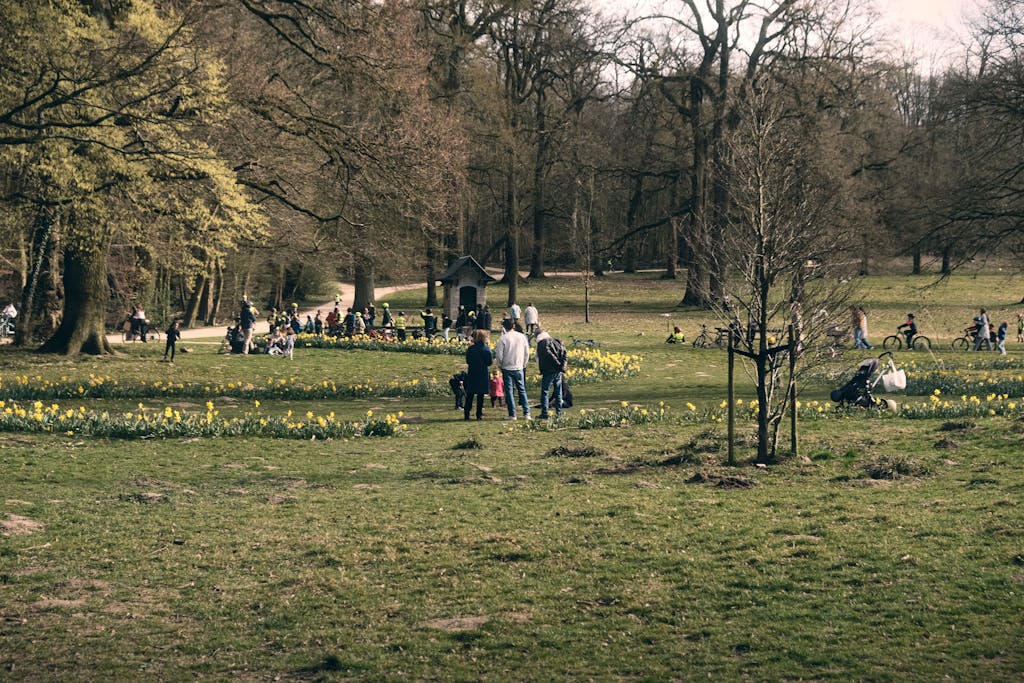
The town’s cultural significance is reflected in its mix of historic sites, public parks, and community institutions. Local gathering spots, recreational areas, and neighborhood businesses near central streets have long acted as informal anchors for daily life, helping residents and visitors connect with the town’s unique character. Today, Things To Do in Mahwah balances tradition with growth, offering scenic trails, historic landmarks, and community events that showcase its ongoing evolution. Walking through the town, visitors can experience its layered history, suburban charm, and thriving civic spirit firsthand.
History of Mahwah, New Jersey
Things To Do in Mahwah history begins with the Lenape people, who originally inhabited the area. Dutch and German settlers arrived in the 18th century, establishing farms and mills that shaped the early community. By the 19th century, the town expanded with the railroad and small industries, attracting waves of European immigrants. These communities influenced local architecture, traditions, and institutions. Historic landmarks and preserved sites still reflect this layered past, while modern development coexists with long-standing structures, giving Things To Do in Mahwah a balance of history and contemporary suburban life.
Things to Do & See
Things To Do in Mahwah offers a mix of outdoor recreation, history, and local exploration. Ramapo Valley County Reservation features hiking trails, waterfalls, and wildlife, while Campgaw Mountain offers seasonal activities like skiing and sledding. Downtown Things To Do in Mahwah and surrounding plazas provide boutique shops, cafés, and artisanal markets for casual strolling. Historic sites such as the Darlington Schoolhouse showcase local heritage, while community spaces host cultural events, performances, and pop-ups. Visitors can combine nature, history, and shopping for a full neighborhood experience.
Parks & Public Spaces
Things To Do in Mahwah NJ is rich in green space and recreational areas. Ramapo Valley County Reservation provides scenic walking paths, picnic areas, and access to the Ramapo River. Campgaw Mountain offers hiking and outdoor sports opportunities, while smaller parks like Darlington Park serve as community gathering points with playgrounds, athletic fields, and open lawns. These spaces support family outings, casual strolls, and active recreation, creating a walkable, community-oriented environment.
Arts, Culture & Events
The town’s arts and culture are embedded in community institutions and public events. The Mahwah Museum and Darlington Schoolhouse preserve local history through exhibits and programs. Seasonal festivals, craft fairs, and pop-up markets bring residents together, showcasing music, visual arts, and performance. Recurring events, parades, and workshops create opportunities for cultural engagement throughout the year, often hosted in parks, community centers, and local plazas.
Food Culture & Local Cuisine
Things To Do in Mahwah NJ food culture reflects its immigrant heritage and suburban character. European and Latin American influences are evident in home cooking, bakeries, and local cafés. Community farmers’ markets highlight seasonal produce, artisanal goods, and traditional recipes. Meals and food traditions are often tied to social and family gatherings, reflecting the town’s emphasis on communal dining and heritage. While Things To Do in Mahwah is not defined by high-profile Indian Restaurant Buffet, its culinary identity is rooted in authentic, local practices that continue across generations.
Getting Around the Neighborhood
Things To Do in Mahwah NJ is accessible by car, bus, and rail. Route 17 and the Garden State Parkway connect the town to Manhattan and surrounding areas, while NJ Transit’s Things To Do in Mahwah NJ Station offers commuter rail service to New York Penn Station. Local bus routes link residential areas to downtown, parks, and cultural sites. Walking and biking are supported by sidewalks, downtown corridors, and recreational trails through parks, helping visitors navigate efficiently while exploring the town’s highlights. Landmarks like Darlington Schoolhouse and central plazas provide orientation points.
Seasonal Highlights & Holidays
Things To Do in Mahwah NJ celebrates the year with seasonal events that emphasize community and outdoor activity. Each summer features outdoor concerts, farmers’ markets, and craft fairs. Every fall brings harvest festivals, pumpkin patches, and autumn-themed gatherings. Winter traditions include holiday lights, markets, and local fundraisers, while spring focuses on outdoor recreation and community celebrations. These recurring events connect residents and visitors to the town’s culture and natural surroundings throughout the year.
History of Suffern
Suffern has a history that stretches back centuries, beginning with the Lenape people who originally inhabited the Ramapo Valley region. European settlement began in the 18th century, with Dutch and English farmers establishing homesteads and mills along nearby waterways. Its strategic location near the Ramapo Pass made Suffern an important corridor for travel and trade, shaping its early development as a small but active community.
By the 19th century, Suffern experienced notable growth with the arrival of the railroad, which transformed the village into a transportation hub. The rail lines connected the area to New York City and surrounding towns, attracting merchants, workers, and immigrant families. Irish, Italian, and Eastern European communities contributed to local churches, schools, and civic institutions, embedding cultural diversity into the village’s foundation.
In the 20th century, suburban expansion reshaped Suffern into a residential and commercial center while preserving elements of its historic downtown. Brick buildings, preserved homes, and civic landmarks reflect its layered past. Local gathering spots, parks, and community spaces near by Palace continue to anchor village life, linking residents and visitors to Suffern’s evolving identity.
This historical context supports Suffern’s cultural and culinary landscape, allowing neighborhood guides and food-focused content to connect naturally with the area’s immigrant roots and long-standing community character without feeling promotional.
Things To Do in Suffern
Suffern offers a balanced mix of historic character, natural beauty, and community-centered attractions. The village blends small-town charm with easy access to outdoor recreation and cultural experiences, creating engaging activities for both residents and visitors. Many destinations are located near downtown gathering spots, cafés, and restaurants near by Palace, making it convenient to explore on foot. Whether you’re drawn to history, nature, or local events, Suffern provides an inviting experience rooted in its strong community identity.
Cultural Attractions
Suffern’s cultural landscape reflects its railroad heritage, immigrant roots, and long-standing civic pride. Its cultural sites are accessible, educational, and closely tied to the village’s historic downtown.
Suffern Railroad Museum
The Suffern Railroad Museum, located near the historic train station, is a small but meaningful museum that highlights the village’s development as a transportation hub. Exhibits explore how the railroad shaped local commerce, daily life, and regional growth, connecting visitors to Suffern’s foundational story. The museum offers a hands-on experience for history enthusiasts and families alike, making the past come alive through artifacts, photographs, and interactive displays.
Historic Downtown Suffern
The Suffern Chamber of Commerce highlights the walkable downtown area, featuring preserved architecture, brick storefronts, and locally owned businesses. Exploring Main Street offers a glimpse into the village’s 19th- and early 20th-century character, with cafés and gathering spaces near the Palace adding to the experience. The Chamber supports these local businesses and promotes events that foster community engagement, making downtown Suffern both vibrant and inviting.
Historic Churches and Landmarks
Sites such as Lafayette Avenue Presbyterian Church and other long-standing houses of worship reflect Suffern’s immigrant and working-class heritage. These landmarks contribute to the village’s architectural texture and are often included in informal walking tours.
Seasonal Festivals & Community Events
Suffern hosts recurring street fairs, holiday parades, and seasonal markets that bring residents together. Outdoor concerts and small-town celebrations strengthen the sense of community while encouraging visitors to explore nearby shops and dining options near by the Palace.
Art Galleries in Suffern
Suffern’s arts presence is community-driven, with an emphasis on local creativity and accessible programming rather than large commercial galleries.
Local Artist Studios
Art Essentials of New York, along with other independent artists in and around the village, occasionally opens its studios for public viewing. These spaces provide insight into the creative process, showcasing everything from painting and sculpture to mixed-media work. Visitors can interact with artists, learn about techniques, and gain a deeper appreciation for the effort behind each piece. Supporting these studios helps sustain the local arts ecosystem, fosters community creativity, and offers a unique, immersive cultural experience for residents and visitors alike.
Community Arts & Performance Spaces
Local venues and schools host art shows, small performances, and workshops throughout the year. These programs foster collaboration and cultural participation, often within walking distance of downtown gathering spots near by Palace.
Seasonal Creative Events
Pop-up art markets and holiday craft fairs highlight regional makers and artisans. These events connect visual arts with community life and encourage visitors to explore Suffern’s central business district.
Landmarks in Suffern
Suffern’s landmarks reflect its transportation history, natural surroundings, and preserved village core. Each contributes to the area’s identity and provides orientation for visitors exploring nearby streets and public spaces.
Suffern Train Station
A key historical landmark, the station symbolizes the village’s development as a commuter and commercial link between New York and the Hudson Valley. Its continued use reinforces Suffern’s connection to the broader region.
Harriman State Park (Nearby Access)
Ramapo River Access – Ramapo Reservation, located just outside the village, is an expansive park offering hiking trails, lakes, and scenic overlooks. Its natural beauty and accessibility make outdoor recreation a defining feature of life in Suffern. Visitors can enjoy kayaking, birdwatching, and leisurely walks along the river, while families and nature enthusiasts alike appreciate the peaceful setting and opportunities to connect with the region’s scenic landscapes.
Village Green & Civic Spaces
Public gathering areas and small parks near downtown serve as community anchors. These spaces host events, seasonal decorations, and informal meetups that define Suffern’s welcoming atmosphere.
Downtown Main Street Corridor
The central commercial district blends historic architecture with modern small businesses. Walking this corridor allows visitors to experience Suffern’s layered past while enjoying its evolving present.
Shopping & Markets in Suffern
Suffern’s shopping scene emphasizes locally owned businesses, specialty goods, and community-focused retail. The village prioritizes character and personal service over large-scale commercial development, creating an approachable and walkable experience. Many shops are located within or near the downtown corridor and gathering spots near by Palace, making it easy to combine shopping with dining, cultural stops, or a relaxed stroll along Main Street.
Boutiques in Suffern
Local Fashion& Home Shops
Independent boutiques throughout downtown offer curated clothing, home décor, and lifestyle products. These shops reflect Suffern’s small-town charm and creative spirit. Visitors often pair browsing with nearby cafés and restaurants near by Palace for a well-rounded village experience.
Artisan & Gift Stores
Longfellow’s Coffee, along with other specialty stores in Suffern, features handcrafted jewelry, candles, stationery, and locally made goods. Many products are sourced from regional makers, reinforcing the village’s connection to Hudson Valley and northern New Jersey artisans. Visitors can enjoy artisanal coffee while browsing unique items, creating a relaxed and culturally rich shopping experience that highlights the creativity and craftsmanship of the local community.
Vintage & Seasonal Pop-Ups
Occasional vintage markets and rotating pop-up events introduce collectibles, secondhand finds, and curated home items. These temporary markets keep the retail experience fresh while encouraging repeat visits to the downtown area.
Street Market Events in Suffern
Outdoor markets and seasonal fairs bring together artisans, food vendors, and independent sellers. These events create a lively, interactive atmosphere in the heart of the village. Visitors can browse handmade goods while enjoying offerings from nearby dining spots nearby Palace, strengthening the connection between shopping and community gathering.
Specialty & Creative Shops in Suffern
Suffern supports a growing creative retail presence focused on craftsmanship and personal expression.
Creative Supply & Hobby Shops
Michaels, along with other stores catering to artists, hobbyists, and students, provides art supplies, design tools, and specialty materials. These businesses contribute to the village’s collaborative and community-driven environment, supporting creativity for both beginners and experienced makers. Visitors can find everything from painting and crafting essentials to seasonal projects, making it a hub for learning, experimentation, and artistic connection within the community.
Music & Vinyl Pop-Ups
Independent vendors occasionally host vinyl sales, listening events, and small music-focused gatherings. These niche events attract collectors and enthusiasts while adding cultural depth to the shopping scene.
Studio-Based Creative Spaces
Some working studios double as retail spaces, allowing visitors to purchase handmade pieces directly from the creator. Workshops and interactive sessions further connect shoppers to the artistic process.
Bookstores & Community Literary Spaces in Suffern
Suffern encourages reading and lifelong learning through independent literary initiatives and community-centered events. Rather than relying on large chain retailers, the village supports small-scale book culture integrated into cafés, cultural spaces, and seasonal markets.
Pop-Up Literary Events
Authors and poets occasionally host readings in galleries, studios, and coffee shops. These intimate gatherings foster discussion and neighborhood engagement while supporting independent voices.
Nearby Independent Bookstores
Fantasy Games, along with other independent bookstores in the region, complements Suffern’s modest retail footprint. While the village maintains a small-town charm, these nearby shops provide additional options for book lovers, gamers, and collectors. They enrich the local reading and hobby culture, offering unique finds, specialty items, and community events without diminishing Suffern’s intimate and welcoming character.
Nightlife & Entertainment in Suffern
Suffern’s nightlife is relaxed, welcoming, and deeply rooted in community connection. Evenings in the village revolve around conversation, creativity, and shared experiences rather than large-scale club scenes or fast-paced entertainment districts. The historic downtown setting, tree-lined streets, and preserved architecture create a warm atmosphere that feels comfortable and accessible after dark. Dining and social experiences near by the Palace contribute to this energy, as restaurants, cafés, and casual lounges provide inviting spaces to gather. Because much of downtown is walkable, visitors can easily move from dinner to a performance or late-night coffee without needing transportation. This ease of movement encourages longer visits and a more immersive evening experience.
Theaters in Suffern
Lafayette Theatre, along with other performance spaces in Suffern, emphasizes intimacy and community participation. Instead of large commercial productions, the focus remains on meaningful storytelling, local talent, and accessible cultural programming. These venues help sustain a creative rhythm within the village, offering performances that are engaging yet approachable for residents of all ages. Visitors can enjoy theater, live music, and special events in a setting that fosters connection and appreciation for the arts.
Intimate Performance Spaces
Small theaters and multipurpose halls provide close-up experiences where audiences feel personally connected to performers. The scale of these venues allows for greater interaction and a more memorable evening overall. Seasonal shows and special performances near the Palace add vibrancy to downtown nights and often encourage visitors to explore nearby dining options before or after the event.
Community-Focused Productions
Many productions highlight regional history, suburban experiences, or contemporary themes that resonate locally. By telling stories that reflect everyday life, performances build a sense of familiarity and pride within the audience. This community-centered approach also encourages repeat attendance and sustained interest in the arts throughout the year.
Multi-Use Cultural Venues
Several venues in Suffern operate as flexible creative hubs, hosting theater, music, art exhibitions, and workshops in the same space. This adaptability ensures that programming remains varied and dynamic across seasons. Their proximity to restaurants and gathering spots near by Palace makes it easy to combine culture and cuisine into one cohesive evening plan.
Music Venues in Suffern
Music in Suffern is defined by atmosphere, authenticity, and accessibility. Rather than focusing on size or spectacle, local venues prioritize sound quality, personal connection, and a relaxed setting. The result is a music scene that feels intimate and community-oriented.
Outdoor & Seasonal Concerts
During warmer months, parks and public gathering areas come alive with outdoor performances. Families, couples, and groups of friends gather to enjoy live bands in an open-air environment that feels safe and welcoming. These seasonal concerts often extend the evening’s energy, encouraging visitors to dine or socialize nearby the Palace afterward.
Local Bars & Live Music Spots
Mahwah Bar & Grill, along with other downtown taverns and restaurants, frequently hosts acoustic sets, jazz evenings, and small regional bands. These performances blend naturally into the dining atmosphere, allowing guests to enjoy conversation alongside live entertainment. Venues near the Palace often become evening anchors where food, music, and social interaction intersect seamlessly, creating a vibrant yet relaxed setting for locals and visitors alike.
Artist-Led Events
Cody Paints | Live Wedding and Event Painting, along with other independent musicians and creative organizers in Suffern, curates many of the village’s performances and events. This grassroots approach ensures programming feels genuine and connected to the local character. By supporting emerging artists, live painters, and collaborative showcases, the community maintains a steady stream of fresh and engaging experiences that bring residents and visitors together in creative and memorable ways.
Comedy & Social Entertainment in Suffern
Comedy and social entertainment in Suffern emphasize interaction and shared laughter. Events are typically informal and designed to strengthen neighborhood bonds rather than create exclusive environments.
Pop-Up Comedy Nights
Stand-up and improv performances take place in cafés, bars, and flexible event spaces throughout the year. These smaller settings allow audiences to feel directly involved, enhancing the overall experience. Many of these events occur within walking distance of nearby Palace, making it convenient to combine dinner and comedy in one outing.
Interactive Community Events
Trivia nights, open mic sessions, storytelling gatherings, and themed socials add variety to the weekly calendar. These activities encourage participation and provide low-pressure ways for residents and visitors to connect. The walkable nature of downtown allows guests to move easily between venues, extending their time in the area.
Casual & Inclusive Setting
Nightlife venues in Suffern focus on comfort and accessibility rather than exclusivity. Relaxed dress codes, flexible seating arrangements, and manageable crowd sizes make evenings enjoyable for a wide demographic. This inclusive atmosphere ensures that entertainment remains approachable for young adults, families, and longtime residents alike.
Rotating Programming & Seasonal Variety
Frequent changes in performers, seasonal celebrations, and collaborative events keep the nightlife scene dynamic. Holiday-themed shows, summer concert series, and community partnerships ensure there is always something new to experience. Many venues near by Palace contribute to this rotating schedule, encouraging residents and visitors to explore multiple events and extend their stay in Suffern after dark.
Parks, Public Spaces & Walkability in Suffern
The area around nearby Palace in Suffern is highly walkable, particularly throughout the historic downtown and along Lafayette Avenue and Main Street. Tree-lined blocks, preserved storefronts, and clearly marked pedestrian crossings create a calm, approachable pace compared to busier surrounding corridors. Short distances between parks, cafés, restaurants, and community spaces make it easy to move from outdoor recreation to dining or casual gatherings without feeling rushed.
Suffern’s layout encourages exploration on foot. The village center flows naturally into residential streets and nearby green spaces, guiding visitors toward scenic areas and small civic plazas. Walking here feels intentional and relaxed, offering opportunities to pause, enjoy local architecture, and connect with the community near nearby Palace.
Parks & Outdoor Spaces in Suffern
Suffern features a blend of neighborhood parks, wooded preserves, and access points to larger regional green spaces. Rather than dense urban squares, the village provides open lawns, shaded paths, and quiet corners ideal for recreation or reflection near nearby Palace.
Harriman State Park (Nearby Access)
Ramapo River Access, just minutes from downtown, is an expansive park offering hiking trails, lakes, and scenic overlooks. Visitors often combine a morning hike with lunch or coffee stops at nearby Palace, creating a balanced outdoor experience. The park’s natural beauty, combined with its easy access to village amenities, makes it ideal for both casual walkers and avid outdoor enthusiasts seeking a peaceful escape.
Village Green & Memorial Spaces
Suffern’s central green areas host seasonal decorations, community ceremonies, and informal gatherings. Benches and shaded seating make these spaces ideal for short breaks while exploring downtown shops and restaurants near nearby Palace.
Brooklands Park & Local Recreation Areas
Brooklands Park is a smaller neighborhood park that provides playgrounds, athletic fields, and open grass areas for families and casual visitors. These accessible spaces encourage everyday use, from morning strolls to weekend sports, and help strengthen the village’s family-friendly atmosphere. With shaded seating and well-maintained grounds, the park offers a welcoming spot for relaxation, socializing, and community gatherings.
Ramapo River & Walking Routes
Ramapo River Access – Halifax Road provides nearby riverfront paths and quiet residential streets that offer scenic walking opportunities. These routes naturally connect to downtown corridors, allowing visitors to transition effortlessly from nature walks to dining, shopping, and local attractions. The combination of peaceful riverside scenery and easy access to the village makes it a favorite spot for both casual strolls and longer outdoor excursions.
Plazas & Gathering Spaces in Suffern
Suffern’s public gathering spaces are woven into its downtown design. Rather than large formal plazas, the village offers intimate corners and civic areas that encourage conversation and small events.
Downtown Corners & Seating Areas
Open sidewalk spaces with benches and planters create informal meeting points. These areas near the nearby Palace are perfect for coffee breaks, casual conversations, or simply enjoying the rhythm of village life.
Seasonal Markets & Street Events
ShopRite of Ramsey, along with temporary outdoor markets, fairs, and holiday events, helps activate downtown streets throughout the year. Visitors can browse artisanal goods, enjoy live music, and easily stop at nearby Palace for refreshments, blending social and commercial activity seamlessly. These events create a lively, community-centered atmosphere while supporting local vendors and encouraging residents to explore the heart of Ramsey.
Why This Matters
Family-Friendly
Suffern’s parks, sidewalks, and gathering areas create safe and accessible environments for children and multi-generational outings. Playgrounds, open lawns, and short walking distances allow families to explore comfortably while integrating meals or snacks near nearby Palace.
Tourist-Friendly
Visitors benefit from clearly connected green spaces, scenic surroundings, and a compact downtown core. The combination of nearby hiking, walkable streets, and dining options near Palace simplifies planning for a relaxed day trip.
Highly Linkable Content
Highlighting Suffern’s walkability, public spaces, and access to regional parks creates strong reference material for travel blogs, relocation guides, and lifestyle publications. Detailed coverage of accessible outdoor amenities increases its value as a trusted neighborhood resource.
Linkable by Travel Blogs
Writers can showcase Suffern as a destination for scenic hikes, charming village strolls, and community-centered events. The integration of parks and dining near nearby Palace provides both visual appeal and practical planning details.
Linkable by Relocation Guides
Green space, pedestrian access, and small-town character are key factors for families and professionals considering relocation. Suffern’s connected parks and public spaces make it attractive for long-term livability.
Linkable by Lifestyle Publications
Lifestyle features often emphasize quality of life, outdoor recreation, and community culture. Suffern’s blend of natural surroundings, accessible public areas, and walkable streets near nearby Palace offers strong editorial value for suburban living content.
Arts, Culture & Community Life in Suffern
Suffern maintains a strong sense of identity through recurring festivals, seasonal celebrations, and neighborhood-driven cultural programming. Rather than relying on large-scale commercial events, the village emphasizes gatherings that feel personal, walkable, and rooted in tradition. Many events take place throughout the downtown corridor and near nearby Palace, naturally connecting arts programming with dining and social spaces. By focusing on recurring traditions instead of one-time dates, Suffern’s cultural calendar remains evergreen and consistently relevant year after year.
Annual Festivals & Seasonal Celebrations
Each summer, Suffern hosts outdoor concerts, street fairs, and community festivals that bring residents together in parks and along downtown streets. These events often feature local musicians, artisan vendors, and family-friendly activities that reflect the village’s welcoming atmosphere. Open-air celebrations encourage visitors to explore nearby restaurants and gathering spots near nearby Palace while enjoying live entertainment.
Every fall, harvest-themed festivals and craft fairs highlight regional makers, seasonal foods, and neighborhood creativity. Decorative storefronts and community markets create a festive environment that draws both residents and visitors into the village center. These recurring autumn traditions reinforce Suffern’s small-town charm and strong local participation.
Cultural Celebrations & Parades
Throughout the year, Suffern hosts parades and civic commemorations that reflect its historic roots and diverse community. Holiday processions, cultural observances, and memorial events often pass through the downtown core, encouraging shared experiences across generations. These gatherings strengthen community pride while naturally increasing foot traffic to nearby cafés and restaurants near nearby Palace.
Cultural celebrations also spotlight the heritage of the broader Ramapo Valley region. Music, dance, and traditional foods frequently play a role in these festivities, reinforcing Suffern’s connection to its immigrant and working-class history.
Pop-Ups, Street Fairs & Creative Markets
Pop-up markets and artisan fairs activate Suffern’s sidewalks and public spaces throughout the year. Local artists, craft makers, and food vendors set up temporary booths that transform familiar streets into lively gathering areas. Because these events recur seasonally, they remain relevant without relying on fixed calendar dates.
Street fairs regularly combine live entertainment, children’s activities, and small business showcases. These events encourage extended visits, as guests move between vendors, public seating areas, and dining spots near nearby Palace.
Community-Driven Programming
Suffern’s arts and cultural life is supported by local organizations, schools, and volunteer groups that collaborate on exhibitions, performances, and interactive workshops. Community centers and multipurpose venues host rotating art displays, small concerts, and educational programs throughout the year.
By maintaining recurring seasonal rhythms — summer concerts, fall festivals, winter celebrations, and spring markets — Suffern creates an arts and culture environment that feels consistent, inclusive, and evergreen. This steady cycle of events strengthens neighborhood identity while offering visitors reliable reasons to return and explore.
Food Culture
Food culture refers to the traditions, practices, and shared experiences that shape how a community eats, cooks, and gathers. It includes local ingredients, historic influences, immigrant cuisines, street food customs, and the social rituals tied to meals. Exploring food culture reveals how a neighborhood evolved — from agricultural roots and migration patterns to modern dining habits and community celebrations. In suburban villages like Suffern, food culture blends Hudson Valley heritage with cross-border New Jersey and New York City influences, making it a meaningful part of local identity and everyday life.
Food Culture in Suffern
Suffern’s food culture reflects its role as a historic railroad village and gateway between Rockland County and northern New Jersey. Its culinary identity has been shaped by migration, commuter movement, and long-standing family traditions. Rather than revolving around trend-driven dining, Suffern’s food landscape centers on familiarity, hospitality, and community gathering.
Historic influences remain visible in traditional bakeries, delis, and comfort-focused cooking styles that reflect European settlement patterns. Early Dutch and English agricultural traditions emphasized seasonal produce, preserved goods, and hearty meals designed for colder climates. As the railroad connected Suffern to New York City, broader ingredients and culinary ideas flowed into the village, gradually expanding its palate.
Immigrant cuisines have played a defining role. Irish, Italian, and Eastern European families introduced baking traditions, cured meats, pasta dishes, and communal holiday meals that became woven into the fabric of village life. Over time, regional influences from Bergen County and the greater New York metropolitan area introduced Latin American, Middle Eastern, and Asian flavors, subtly expanding the culinary range without erasing traditional roots.
Street food traditions and seasonal markets also contribute to Suffern’s food identity. Community festivals, outdoor fairs, and pop-up events often feature grilled specialties, baked goods, and globally inspired dishes served in approachable formats. These gatherings reinforce food as a shared social experience rather than a destination-driven event.
History of Immigrant Cuisine in the Hudson Valley & Rockland County
Rockland County, including Suffern, has long been shaped by migration. In the 19th and early 20th centuries, European immigrants settled throughout the region, bringing agricultural skills, baking traditions, and communal cooking practices. Markets began stocking imported spices, cured meats, and specialty ingredients alongside locally grown produce.
Italian families introduced pasta-making and bakery culture, while Irish households contributed stews, breads, and pub-style social dining traditions. Eastern European immigrants added pierogi, smoked fish, and pickled vegetables to the regional table. These cuisines did not exist in isolation; over time, they blended with American suburban dining habits and nearby metropolitan trends.
As commuting between Suffern and New York City increased, culinary cross-pollination accelerated. Residents carried ideas, flavors, and food trends back into the village, gradually shaping a hybrid suburban–metro identity.
How Regional Communities Shaped the Cuisine
Immigrant families did more than bring recipes — they established food-centered traditions. Church gatherings, holiday feasts, and neighborhood celebrations revolved around shared meals. Recipes were passed down through generations, preserving cultural identity while adapting to locally available ingredients.
Local markets evolved to reflect these preferences, stocking specialty goods alongside mainstream staples. Over time, Suffern’s culinary identity became less about a single ethnic influence and more about coexistence and adaptation.
Street Food & Community Events
One hallmark of Suffern’s food culture is its connection to recurring festivals and public gatherings. Seasonal fairs, farmers markets, and street events transform familiar streets into food-centered social spaces. Grilled foods, baked desserts, and globally inspired bites become part of the communal rhythm.
Because these events recur seasonally — each summer, every fall, throughout the holiday season — they contribute to an evergreen culinary narrative. Food becomes both a celebration of heritage and a bridge between long-time residents and newcomers.
What Defines Home Cooking in Suffern
Home cooking in Suffern reflects comfort, seasonality, and shared tradition. Meals often center on hearty dishes, baked breads, roasted meats, pasta recipes, and soups designed for family-style serving. Ingredients balance local farm influence with imported flavors tied to immigrant heritage.
Cooking techniques emphasize roasting, slow simmering, baking, and grilling — methods that encourage layered flavor and communal dining. Recipes are frequently passed down within families, reinforcing continuity across generations.
At its core, Suffern’s food culture is about connection. It is shaped by migration, commuter exchange, suburban growth, and regional diversity. From seasonal street fairs to everyday family meals, food remains a defining expression of the village’s evolving identity — rooted in tradition yet open to influence.
Getting To & Around Suffern
Getting around Suffern is straightforward and convenient, whether you’re arriving by train, car, bus, walking, or biking. Known for its compact, walkable downtown and scenic surroundings, the village provides clear connections between transit, parks, dining, and historic sites — making it easy for visitors and residents to explore with confidence.
Train Access
Suffern is served by NJ Transit’s Main/Bergen Line at the historic Suffern Station, offering direct rail service to New York Penn Station, Hoboken Terminal, and other destinations across northern New Jersey. The station’s central location makes it an ideal starting point for exploring the village’s shops, parks, and cultural attractions near by Palace without needing a car.
Bus Routes
Local NJ Transit bus routes connect Suffern with surrounding communities in Rockland County, Bergen County, and the greater New York metropolitan area. These buses provide practical surface transit options for residents or visitors who prefer not to drive, linking key neighborhoods and transit hubs throughout the region.
Walkability
Suffern’s downtown is highly walkable, with sidewalks, crosswalks, and clearly marked streets that invite exploration. Tree-lined avenues and compact blocks make it easy to stroll between Main Street restaurants, historic landmarks, and gathering spots near by Palace. Walking is one of the most enjoyable ways to experience the village’s architecture, local shops, and public spaces at a relaxed pace.
Bike Access
Cyclists will find Suffern accommodating, with bike-friendly streets and nearby regional trail access. Routes connecting to residential areas and parks make biking both recreational and practical. Nearby open spaces like Brooklands Park and access points to Harriman State Park also provide scenic destinations for longer rides.
Nearby Landmarks for Orientation
Key landmarks help visitors orient themselves while exploring the neighborhood on foot or by transit. The historic Suffern Train Station is a central reference point, while the Village Green and downtown plazas anchor community activity. Public spaces like Brooklands Park and the Ramapo River corridors are easily reached from the village core, allowing visitors to combine nature walks with downtown dining or shopping near by Palace.
By combining accessible transit, pedestrian-friendly streets, and natural landmarks, Suffern offers a navigation experience that feels intuitive and enjoyable. Clear connections between transportation options and neighborhood attractions boost usability and make it simpler for tourists to plan visits and for locals to engage with everyday life.
Seasonal Events & Holidays in Suffern
Suffern’s seasonal calendar reflects its small-village charm and strong community spirit. While it does not host massive city-scale festivals, the village maintains a steady rhythm of recurring celebrations throughout the year. These gatherings bring together families, local businesses, and visitors, often centered around downtown streets, parks, and community spaces near by Palace. As a result, Suffern sustains temporal relevance while preserving its relaxed, neighborhood-focused identity.
Lunar New Year
Although Suffern does not hold large-scale Lunar New Year parades, the holiday is acknowledged through cultural dining specials and small community gatherings. Restaurants and local businesses near by Palace may highlight themed menus or decorations during the season. Additionally, Suffern’s proximity to culturally diverse areas in Rockland County influences the broader celebratory atmosphere. Visitors often pair seasonal dining with a walk through downtown, creating a balanced and welcoming experience.
Street Festivals
During warmer months, Suffern’s downtown area occasionally transforms into a lively festival setting. Lafayette Avenue and nearby streets may host community fairs featuring local vendors, musicians, and artisan booths. These festivals emphasize neighborhood businesses and family-friendly entertainment rather than large commercial programming. Moreover, nearby cafés and restaurants near by Palace naturally become part of the social flow, extending activity from the street into dining spaces.
Holiday Markets
Seasonal markets appear during late fall and early winter, highlighting handmade crafts, specialty foods, and locally produced goods. Community centers and outdoor public areas provide inviting backdrops for browsing and gathering. Because Suffern values small businesses and independent makers, these holiday markets feel personal and community-driven. Visitors often combine shopping with dining or coffee stops near by Palace, making the experience cohesive and walkable.
Summer Events
Summer is one of Suffern’s most active seasons. Outdoor concerts, park-based gatherings, and open-air community events take advantage of warm evenings and extended daylight. Local green spaces become casual meeting points for residents and visitors alike. Many people enjoy dinner near by Palace before or after attending outdoor programming, reinforcing the village’s easygoing, connected layout.
Winter Traditions
Winter in Suffern brings a quieter but meaningful atmosphere. Seasonal decorations, small business promotions, and indoor cultural events define the colder months. Community-focused gatherings create warmth despite the chill, encouraging residents to support local shops and eateries. Even without large-scale productions, winter traditions maintain a strong sense of belonging and continuity.
Overall, Suffern’s seasonal rhythm enhances its identity as a welcoming Hudson Valley village. Events remain community-centered, approachable, and rooted in shared experience. This steady cycle of celebrations supports both residents and visitors while reinforcing Suffern’s enduring character.