
Let’s get one thing straight: Biryani without the magic of Biryani masala is just flavoured rice at best. Now, there’s nothing wrong with that—flavoured rice is nice—but biryani? That’s sacred. It’s royalty in a pot. It’s Sunday family lunch, Eid dinner, wedding buffets, and street food all wrapped up in one intoxicatingly aromatic experience. And at the centre of it all sits this game-changing spice blend we lovingly call biryani masala.
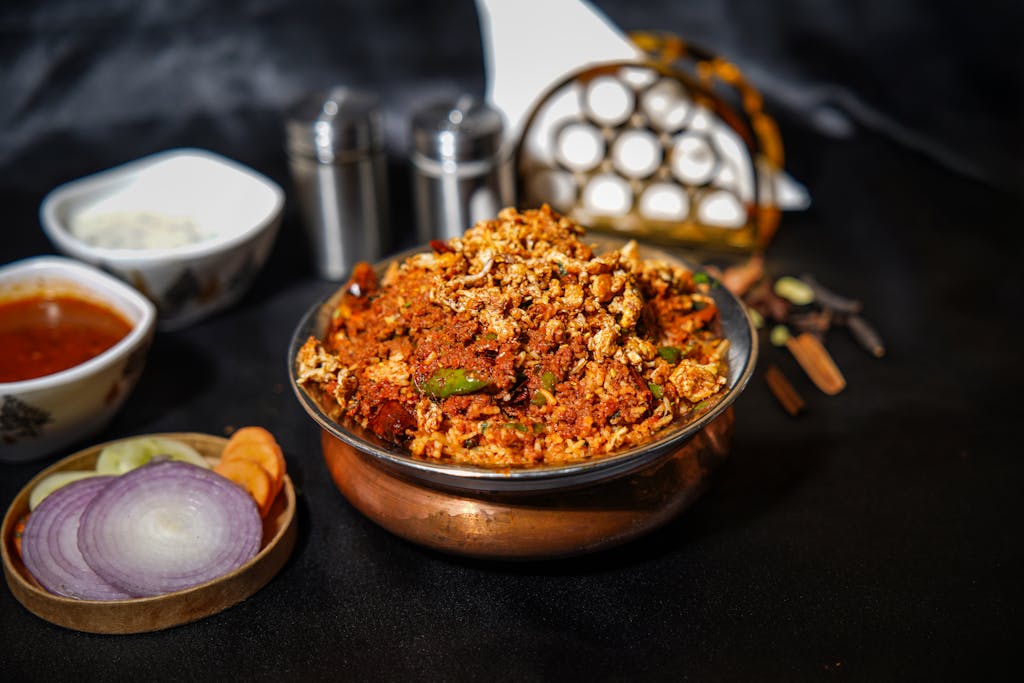
So what makes it so special? Why does this particular mix of spices hold such power over our taste buds and memories? Whether you’re a seasoned home chef or someone who just discovered the joy of Indian cooking, this little jar of wonder is about to become your best friend. Let’s dive deep into the heart of it, get our hands a little messy, and unravel the layers of flavour that make this spice mixture truly unforgettable.
Order Online
What Is Biryani Masala?
At its core, this blend is a mix of warm, fragrant spices carefully combined to bring out the best in biryani—a rice dish that has long captivated the senses of food lovers across the globe. But calling it a simple seasoning almost feels like an understatement. It’s more like a carefully curated symphony of bold, earthy, floral, and fiery notes that hit your palate in waves. Imagine tasting smoky cumin, citrusy coriander, slightly sweet cinnamon, and pungent cloves all in one spoonful. That’s not just flavour; that’s art.
This aromatic combo isn’t just thrown together at random, either. It’s the result of centuries of trial and error in home kitchens and royal courts alike. Every household has its take, every chef a secret tweak. That’s the power of this iconic blend.
A Spicy History That Spans Centuries
To understand this seasoning’s actual impact, we have to take a step back into history. Biryani itself has Persian roots, believed to have arrived in India with Mughal emperors who brought with them the luxurious practice of layering rice with meat and spices. But it was in the Indian subcontinent that the dish truly came alive. Indian cooks, with their unparalleled command over flavour combinations, added depth, heat, and complexity that spun the original idea into something magical.
From the Nawabs of Lucknow to the Nizams of Hyderabad, everyone left their mark on biryani—and naturally, on the masala too. As the dish travelled from royal kitchens to street stalls, the mix adapted, absorbing the essence of local tastes. What started as a simple way to season meat and rice became an iconic symbol of Indian cuisine, thanks to the dynamic evolution of what we now know as biryani masala.
Why This Blend Isn’t Just Another Spice Mix
There are seasonings, and then there’s this. It’s not just about throwing a few spices into a jar and giving it a shake. No sir. It’s about balance, technique, and a deep understanding of how different ingredients interact with one another under heat, moisture, and time. You’re not just adding flavour—you’re building an entire world of sensation.
Some mixes are mild, leaning toward floral or sweet notes. Others are sharp and fiery, full of black pepper and chillies. There are smoky versions that play well with chargrilled meat, and there are aromatic ones designed for vegetarian or seafood biryanis. One spoonful can shift the entire personality of the dish, and that’s why this masala stands apart.
What’s Really Inside That Magic Jar?
The ingredients vary slightly depending on the region and personal preferences, but some things stay consistent across the board. You’re almost always going to find cumin, coriander, black pepper, cloves, cardamom, bay leaves, and cinnamon. These are the foundations. From there, it’s all about the chef’s imagination. Some will add nutmeg for a bit of sweetness, star anise for a hint of liquorice, or dried rose petals and kewra for a floral twist.
In southern India, you might find the addition of stone flower, a wild fungus that adds an earthy depth, or fennel seeds that bring a touch of sweetness. Northern variations, particularly from regions like Lucknow and Delhi, are known for their refined flavors, often using aromatic spices like saffron and mace to create a rich, luxurious touch.
What’s important here is that each element plays a role. Some provide heat, others aroma, others body. And when combined just right? Pure magic.
Regional Variations: No Two Masalas Are the Same
One of the most exciting things about this flavour profile is that it’s not one-size-fits-all. The mix used in a Hyderabadi biryani is bold and peppery, while a Kolkata version might include nutmeg and is generally milder, letting the flavour of the meat shine. Kerala’s take might incorporate curry leaves and coconut, while Bombay biryani is known for its balanced tones with a touch of sweetness.
What’s the takeaway here? Don’t be afraid to experiment. Try different regional styles. Better yet, blend your own and find what works for you. Cooking is personal, and this mix is the perfect playground for creativity.
DIY Biryani Masala: Worth the Effort
Now, let’s talk about making your biryani masala. It doesn’t sound very safe, but trust me, it’s surprisingly doable—and worth it. Freshly ground spices pack a punch that no store-bought blend can match. The aroma when you dry roast those spices is enough to make your neighbours jealous.
You start by dry roasting whole spices—cumin, coriander seeds, cloves, peppercorns, bay leaves, cinnamon sticks, and the like—just until they release their oils and get slightly darker. Be careful not to burn them. Once they’re cool, grind them into a fine powder using a spice grinder. You’ll immediately notice how much more fragrant and vibrant it is compared to anything off a supermarket shelf.
Make a small batch if you’re trying it for the first time. You’ll see how easily you can tweak it—maybe more heat next time, or a touch of sweetness. That’s the beauty of making your masala: you’re the boss.
The Best Ways to Use It
This blend shines brightest in biryani, whether it’s chicken, lamb, paneer, or vegetable. Still, that’s not the only place where it can be kept. Add it to your marinades, sprinkle it on roasted potatoes, stir it into a lentil curry, or even jazz up your scrambled eggs with a pinch.
Fusion chefs are already tossing it into everything from pasta sauces to burger patties. The flavour profile is so rich and adaptable that it can be the star in many global dishes with a bit of imagination.
Storage Tips to Preserve the Magic
This seasoning doesn’t like heat, light, or moisture. Store it in an airtight jar and keep it in a dark, cool spot like a kitchen cabinet or spice shelf. Avoid clear glass jars that sit on your counter unless they’re tucked away from the sun. And always use a dry spoon: no dipping fingers or damp utensils.
If you’ve made a big batch, consider storing half in the fridge to extend its shelf life. Fresh masala is best used within 3–6 months before it starts to lose potency. When the aroma weakens, the flavor does too.
A Few Common Mistakes to Avoid
First off, don’t overdo it. Too much of this spice blend can overpower your dish and make it bitter or overly spicy. Remember, it’s meant to complement the ingredients—not smother them.
Another mistake? You’ll burn the delicate aromatics and end up with a harsh taste. Add it mid-way or toward the end when the flavours have developed but still need that final lift.
Also, always taste and adjust. Some commercial mixes contain salt. If you’re not aware, you could easily double-salt your biryani, and no one wants that.
Is It Healthy? Actually, Yes.
Here’s something you probably didn’t expect: this spice mixture isn’t just delicious—it’s also loaded with health benefits. Many of its core components have been used in traditional medicine for centuries. Cumin aids digestion, cardamom helps fight inflammation, cloves and cinnamon regulate blood sugar, and black pepper improves nutrient absorption.
Of course, we’re not saying it’s a miracle cure, but if you’re looking for flavorful ways to eat better, this masala is a fantastic place to start. It lets you cut down on oil and salt while still packing in a ton of taste.
So, What’s the Final Verdict?
Biryani masala is so much more than a cooking ingredient. It’s a love letter to tradition. It’s the result of generations of culinary wisdom passed down in steel tins and handwritten recipe cards. And whether you buy it off the shelf or grind it yourself on a lazy Sunday afternoon, it brings with it a sense of warmth and connection that’s hard to match.
It’s bold, it’s complex, it’s got attitude—and it never fails to show up when your biryani needs to steal the spotlight.
FAQs
Q1: Can I use biryani masala in other dishes besides biryani?
Absolutely! It’s fantastic in marinades, stews, soups, and even sprinkled on roasted vegetables or in scrambled eggs.
Q2: How long does homemade biryani masala stay fresh?
When kept in a cool, dry, and dark spot, its shelf life typically ranges from 3 to 6 months. After that, the flavour starts to fade.
Q3: Is biryani masala gluten-free?
Yes, if made with pure spices and no fillers. Always check store-bought labels to be sure.
Q4: How spicy is biryani masala?
That depends on the recipe. Some versions are mild and floral, while others pack severe heat. Create it yourself to adjust the heat to your liking.
Q5: Is it possible to make biryani without adding biryani masala?
Technically, yes. But will it still taste like biryani? Not even close. This spice blend is what gives the dish its unmistakable aroma and character.